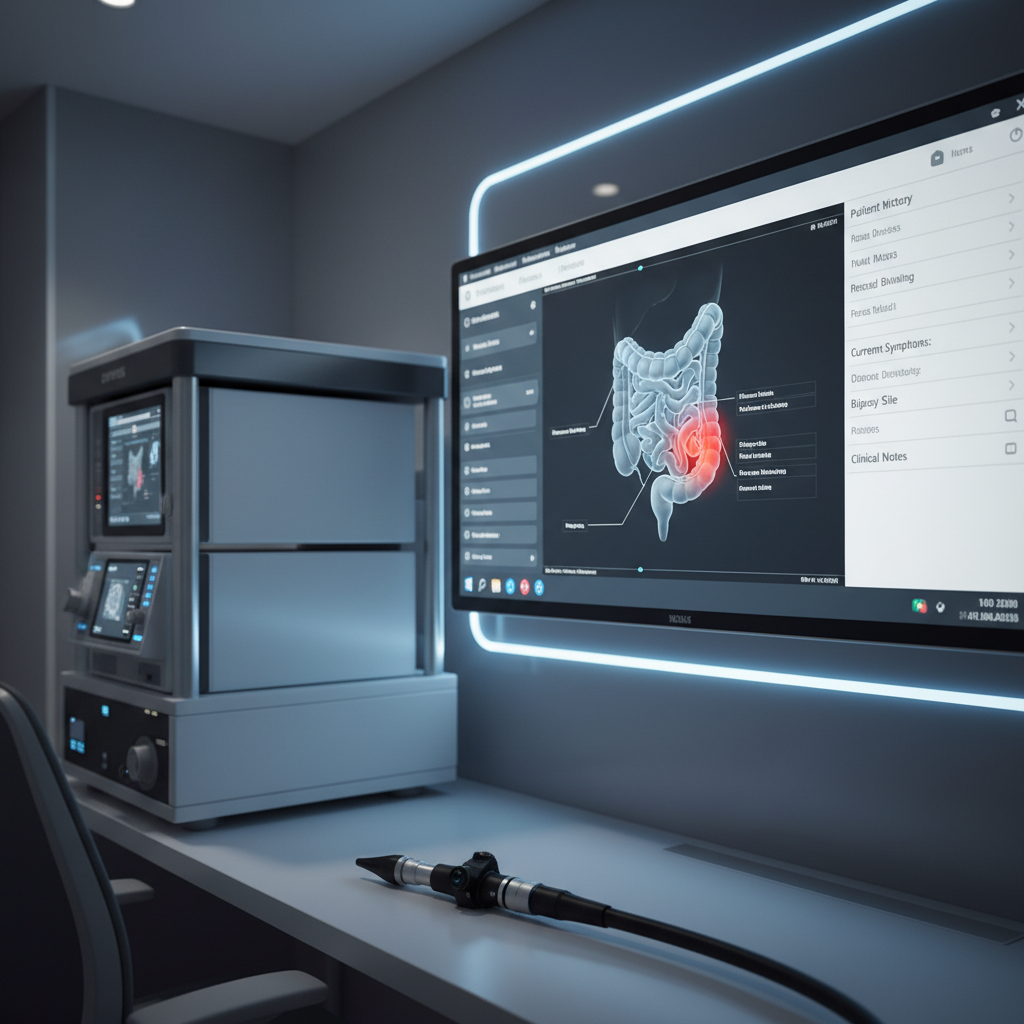
Ulcerative Colitis Background
Ulcerative Colitis

Symptoms and Diagnosis
of Ulcerative Colitis

An accurate diagnosis is the first step toward proper treatment.

Definition & Types

What is Ulcerative Colitis?

Ulcerative colitis is an autoimmune disease and, along with Crohn's disease, is a type of Inflammatory Bowel Disease (IBD). It is a chronic inflammatory bowel disease that occurs in the mucosa and submucosa of the large intestine, characterized by starting in the rectum and spreading continuously.

Classification by Extent of Inflammation
  • Proctitis: Approx. 90% of patients (inflammation only in the rectum)
  • Left-sided colitis: Inflammation involving the descending colon and sigmoid colon
  • Pancolitis: Inflammation throughout the entire colon

While historically known to occur frequently in childhood and adolescence, recent trends show an increasing incidence among middle-aged and older adults.

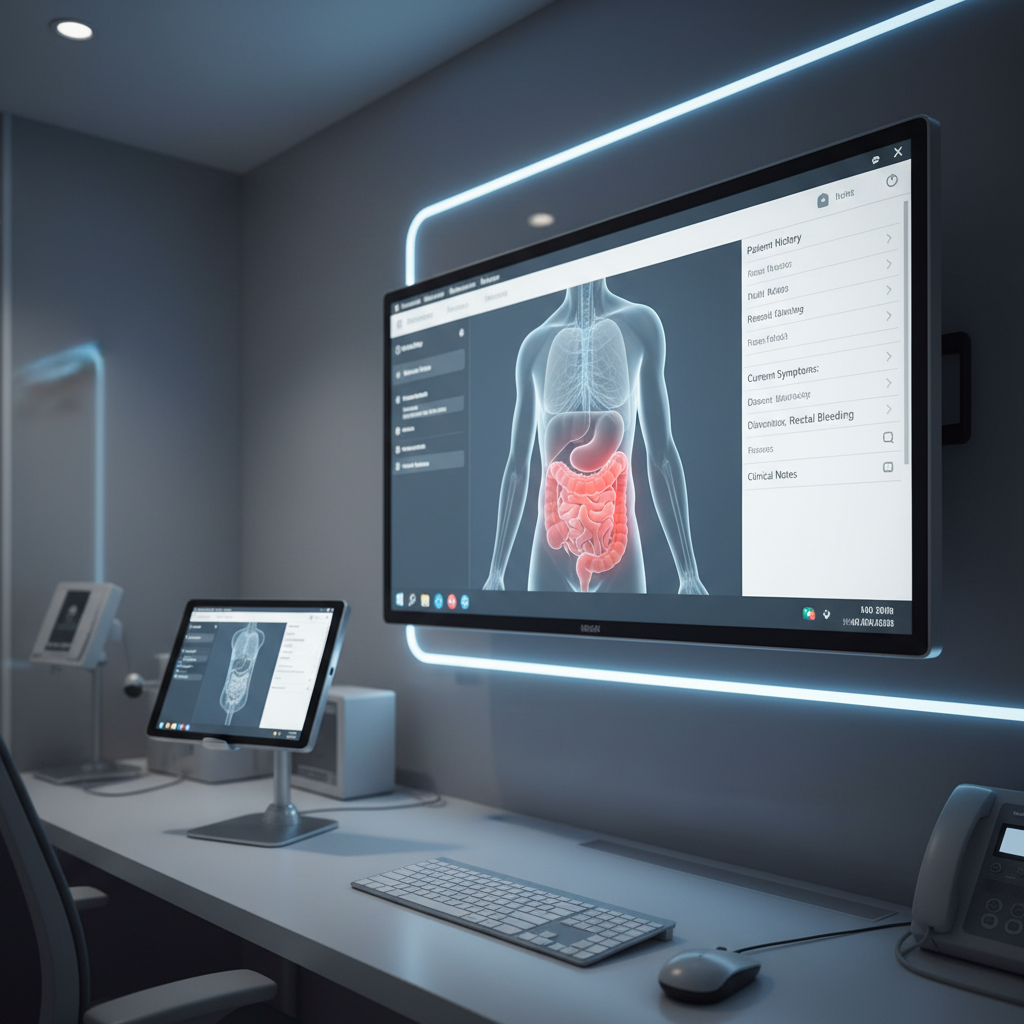
Colon Structure
Causes

Causes of Onset

It occurs due to a complex interaction of various factors.

FACTOR 01

Genetic Factors

Genetic background such as family history

FACTOR 02

Immune Dysfunction

Imbalance in autoimmune responses

FACTOR 03

Gut Microbiota

Changes in the microbial ecosystem

FACTOR 04

Environmental Factors

External factors like diet, stress, etc.

Symptoms

Symptom
Checklist

The intensity of symptoms varies depending on the individual, the extent of the lesion, and disease activity.

Local Symptoms

Colonic Symptoms

  • • Bloody stool: Bloody diarrhea (diarrhea mixed with blood)
  • • Mucus stool: Mixed with sticky mucus like nasal discharge
  • • Diarrhea: Loose stool, unformed stool, watery diarrhea
  • • Urgency: Inability to hold bowel movements for more than 5 minutes after the urge
  • • Abdominal pain: Primarily spasmodic lower abdominal pain
Systemic Symptoms

Systemic Symptoms

  • • Fatigue: Chronic lethargy
  • • Weight loss: Malabsorption and loss of appetite
  • • Fever: Occurs when inflammation is severe
  • • Anemia: Iron deficiency anemia due to excessive blood loss
Diagnosis

Diagnostic Methods

From clinical symptom assessment to precision tests,
various methods are used for an accurate diagnosis.

Clinical Symptoms

Clinical Symptom Assessment

Primary diagnosis is made by evaluating clinical presentations such as diarrhea, bloody stool, and rectal bleeding.

Endoscopy

Colonoscopy & Biopsy

This is the Golden Standard for directly visualizing inflammation and ulcers in the mucosa. If necessary, a biopsy is performed to confirm inflammatory changes.

Stool Test

Stool Test (Calprotectin)

Tests for Calprotectin, an inflammatory marker in the stool, and occult blood. It has a high correlation with endoscopic results.

Blood and Imaging Tests

Blood and Imaging Tests

Blood tests (CRP, ESR, anemia) and abdominal CT or MRI may be performed if necessary, but blood markers may have low reliability.

"Colonoscopy:
Necessary, but frequent exams can be risky."

The most important criteria (Golden Standard) for diagnosing ulcerative colitis is colonoscopy. However, caution is required as colonoscopy can carry the following risks:

  • Destruction of Gut Microbiota: The bowel preparation solution taken before the procedure can wash away gut microorganisms (microbiome), potentially destroying the gut flora, which may take months to recover.
  • Risk of Physical Damage: The scope can scratch or hit the colon wall during the exam, causing injury, and in severe cases, bowel perforation can occur.

Especially in cases of severe ulcerative colitis, colonoscopy can worsen symptoms,
so it should only be performed when absolutely necessary.

Key Diagnosis

Fecal Calprotectin Test
(Fecal Calprotectin, FC)

A highly reliable biological marker
with over 80% correlation with colonoscopy

Fecal calprotectin is a biological marker secreted by neutrophils, a type of white blood cell involved in inflammation of the colon. When there is inflammation in the gut, calprotectin is secreted; when there is no inflammation, it is not secreted. Since the amount secreted varies depending on the degree of inflammation, it is widely used in the diagnosis and monitoring of inflammatory bowel disease.

Multiple studies show it to be a reliable factor with approximately 93% sensitivity and 96% specificity. In particular, it shows high reliability, with a correlation of over 80% with colonoscopy. (If calprotectin levels are bad, the colonoscopy results are likely poor, and if calprotectin levels are good, the colonoscopy is likely good.)

* However, in cases where there is no inflammation in the colon but only in the duodenum or small intestine, or when inflammatory edema occurs in the intestinal wall, the reliability of calprotectin may decrease or its diagnostic value may be lower. It can also be elevated in bacterial/viral enteritis, celiac disease, lymphoma, and food allergies, so differential diagnosis is necessary.

Interpretation Guide (mg/kg)
Normal 50.0 ~ 100.0 or below
Borderline 100.0 ≤ Value ≤ 200.0 ~ 250.0
* Mandatory confirmation for differential diagnosis required
Inflammation 200.0 ~ 250.0 or above

Notes on Interpreting
Blood Tests

In actual clinical practice, blood test levels often remain normal even when colon inflammation is severe, resulting in low reliability. It should only be used as a simple reference.

While elevated in infectious diseases, ulcerative colitis is non-infectious, so it is often normal. Conversely, excessive use of immunosuppressants can cause a drop in levels, leading to weakened immunity. (However, it may increase in cases of Crohn's disease with fistulas or abscesses.)

An acute-phase inflammatory protein, with a general normal range of < 0.5 mg/dL. It can also rise after heart attacks, infections, or intense exercise, making it difficult to use as an indicator specific only to ulcerative colitis.

Indicates long-term inflammation levels, with an average of < 20mm/h being normal. It varies depending on age and gender.

Complications

Complications of Ulcerative Colitis

  • Persistent colonic bleeding
  • Severe acute colitis (toxic megacolon)
  • Increased risk of colon cancer (sharp increase after 20 years of disease duration)
  • Perianal diseases such as hemorrhoids
Inquiry AI