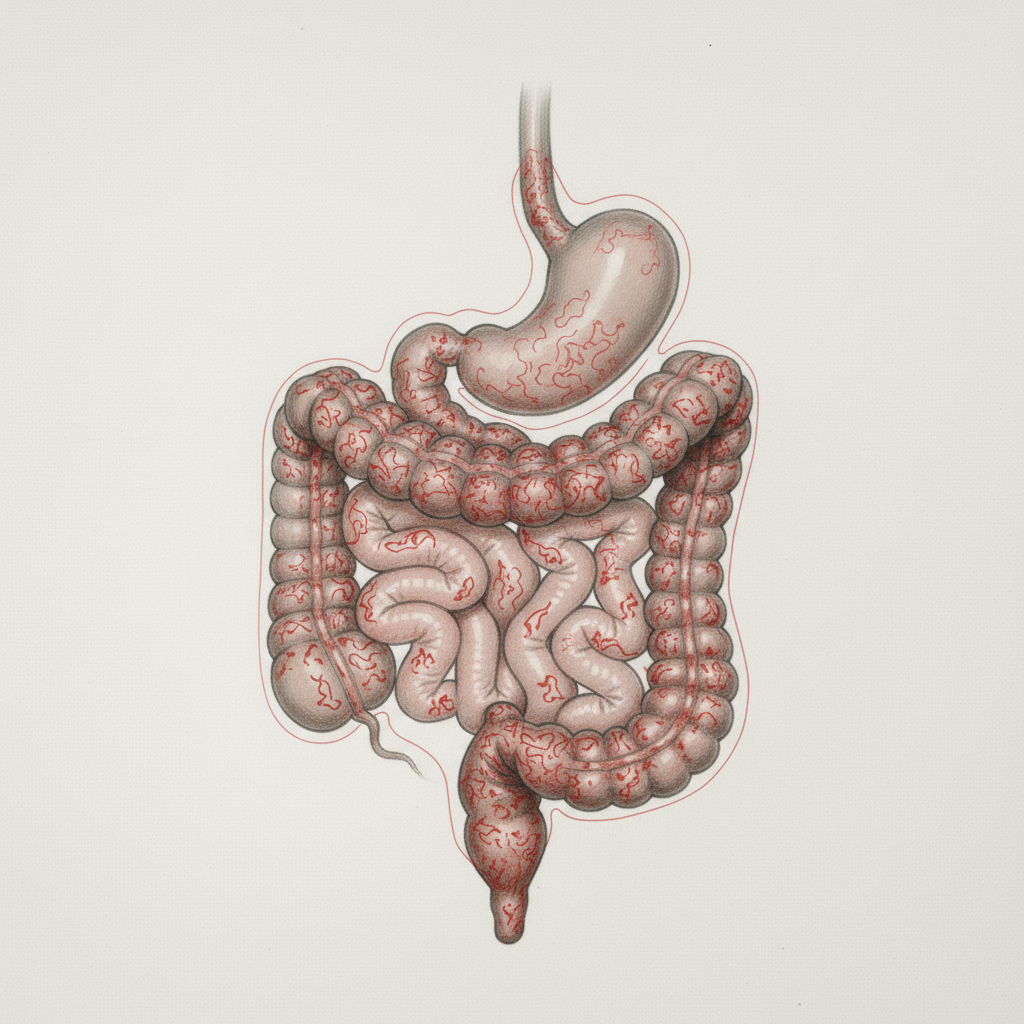
Autoimmune Disease Hero Image
Autoimmune Disease

What is an Autoimmune Disease?

Malfunction of the immune system, inflammation that does not distinguish between self and non-self

"The most important function of the immune system,
self-identification, malfunctions, causing inflammation."

Immune System

The Army and Police
Protecting My Body

Our body's immune system plays a role in protecting and defending our body. If we compare a person's body to a nation, the immune system can be seen as an organization like an army that prevents and defends against foreign invasions, or police that maintain public order and security.

Instances where foreign enemies cross the border represent bacterial or viral infections, and our immune system acts as an army fighting against the viruses or bacteria that have invaded from the outside.

Also, just as criminals who break the law appear within a country, cells that need to be removed, such as improperly dividing cells or damaged cells, can occur within our body, and the immune system acts like police catching criminals in such cases.

An autoimmune disease is a condition where, due to a problem in the function of the immune system acting like an army or police, it recognizes its own normal cells, tissues, or organs as enemies and attacks them.

In short, it is a disease where inflammation occurs because the most important function the immune system should have—the self-identification function, which distinguishes its own normal cells from abnormal cells or external infections—malfunctions and attacks without distinguishing between self and non-self.

It is most appropriate to think of it as a malfunction of the immune system.

Army protecting my body
Causes

Causes of Autoimmune Diseases

The exact cause of autoimmune diseases has not yet been discovered, but it is known that various factors act in combination.

Genetic Factors

Risk of developing the disease increases if there is a family history.

Environmental Factors

Causes include infection, smoking, stress, chemical drugs, environmental pollution, etc.

Hormonal Factors

The risk of developing the disease is generally higher in women.

Immune Regulation Abnormalities

Causes include the production of autoantibodies or overactivation of immune cells.

Classification

Classification Based
on Scope of Involvement

Autoimmune diseases are broadly classified into two types based on the scope of involvement.

SYSTEMIC

Systemic Autoimmune Diseases

  • Systemic Lupus Erythematosus (SLE): Involves skin, joints, kidneys, nervous system, etc.
  • Rheumatoid Arthritis: Involves systemic joints or organs.
  • Systemic Sclerosis: Fibrosis of skin and internal organs.
  • Sjogren's Syndrome: Inflammation of salivary glands, tear glands, etc., causing dry mouth and eyes.
ORGAN-SPECIFIC

Cases Involving Specific Organs

  • Hashimoto's Thyroiditis: Hypothyroidism.
  • Graves' Disease: Hyperthyroidism.
  • Multiple Sclerosis: Nerve damage.
  • Inflammatory Bowel Disease: Involves digestive organs such as the duodenum, small intestine, large intestine, etc.
  • Myasthenia Gravis: Muscle weakness due to nerve-muscle abnormalities.
Inflammatory Bowel Disease

What is Inflammatory Bowel Disease (IBD)?

Most autoimmune diseases are chronic, and symptoms repeat cycles of improvement and worsening. Currently, it is known in Western medicine that there is no appropriate cure.

Inflammatory Bowel Disease (IBD) is a disease in which chronic inflammation repeatedly occurs in the entire bowel or a part of the bowel.

Types of IBD

Types of Inflammatory Bowel Disease

Inflammatory Bowel Disease can be broadly divided into two types and indeterminate types.

Ulcerative Colitis

Ulcerative Colitis (UC)

Inflammation and ulcers occurring in the colonic mucosa

Ulcerative Colitis (UC)

In 90% of patients, inflammation occurs in the rectum, the end of the large intestine, and can spread to the entire colon.

Representative symptoms: Bloody stool, mucus stool, diarrhea, abdominal pain, weight loss

Crohn's Disease

Crohn's Disease (CD)

Inflammation across the entire digestive tract and all layers

Crohn's Disease (CD)

Inflammation can occur discontinuously across all layers of the entire digestive tract from the esophagus to the large intestine.

Possible complications include bowel perforation, fistula, stenosis, and anal fistula.
Representative symptoms: Abdominal pain, diarrhea, fatigue, weight loss

Indeterminate

Indeterminate

Inflammatory bowel disease that is difficult to confirm

Indeterminate

Accounts for 15-20% of all inflammatory bowel disease patients.

It is difficult to confirm a diagnosis of ulcerative colitis or Crohn's disease, or the diagnosis may change after several years.

Prevalence

Prevalence by Country

The prevalence of inflammatory bowel disease is increasing rapidly worldwide.
In particular, the increase in Asian countries including Korea is significant, and Western countries such as the United States already show high prevalence.

Korea

South Korea

Surged by over 30% in 5 years

The number of patients with inflammatory bowel disease in Korea is rapidly increasing by more than 30%, from about 70,000 in 2019 to 92,665 in 2023.

Changes in Westernized dietary habits and an increase in the number of diagnoses through health checkups are presumed to be the main causes.

International Status (Japan/USA)

Japan Japan (2023 Statistics)
  • Ulcerative Colitis: approx. 316,900 patients
  • Crohn's Disease: approx. 95,700 patients
  • Total patients: estimated approx. 410,000
USA USA (High Prevalence)

Accounts for 0.7-0.8% of the total population, showing significantly higher prevalence than other countries.

  • Ulcerative Colitis: approx. 1.25 million
  • Crohn's Disease: approx. 1.01 million
  • Total patients: estimated 2.4 million to 3.1 million
Inquiry AI