A Chronic Inflammatory Bowel Disease
Affecting All Layers of the Digestive Tract
Crohn's disease is an autoimmune condition and, along with ulcerative colitis, is a type of Inflammatory Bowel Disease (IBD). It is an inflammatory condition that can cause inflammation throughout the entire digestive tract, from the mouth to the anus, and across all layers of the tissue. Inflammation mainly occurs in areas such as the duodenum, small intestine, and large intestine, and clinical symptoms vary depending on the site of inflammation.
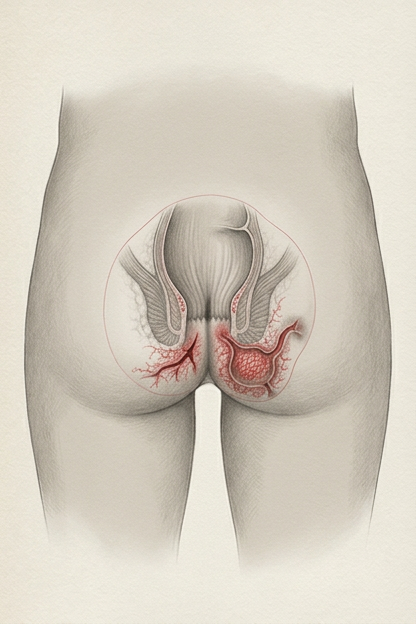
Unlike ulcerative colitis, where inflammation is limited to the mucosal and submucosal layers, in Crohn's disease, inflammation can affect all layers of the intestinal wall, potentially leading to edema, strictures, obstructions, perforations, fistulas, and anal fissures. The inflammation occurs discontinuously and can cause symptoms outside the gastrointestinal tract, such as in the skin and joints.
About 20-30% of cases occur in childhood or adolescence, with the highest incidence between 15 and 35 years of age. Onset during childhood or adolescence can result in stunted growth. Furthermore, Crohn's disease is characterized by poor healing of wounds and surgical sites in cases involving fistulas or anal fissures.